

• We connnect the right people with the right job
Home - Services

Services

Feature Services

Service Driven Business Model

Artificial intelligence (AI)

An umbrella term for a range of algorithm-based technologies

Information Security Recruitment Consulting

Information Security (InfoSec) is the protection of important

Recruiting Multiple Industries

Recruiting Multiple Industries Include but not limited to

Healthcare / Pharmaceuticals

Healthcare consists of businesses that provide medical services, manufacture medical equipment or drugs, provide medical insurance, or otherwise facilitate the provision of healthcare to patients. Pharmacuticals Is the sector of the economy that develops, produces, and markets drugs and medications

Biotechnology / Medical Device

Biotechnology is a science-driven industry sector that uses living organisms and molecular biology to produce healthcare-related products. Med Device - develops, manufactures, and distributes products and services that help prevent, diagnose, monitor, treat, and care for human health. Medical devices can include instruments, appliances, software, implants, and more
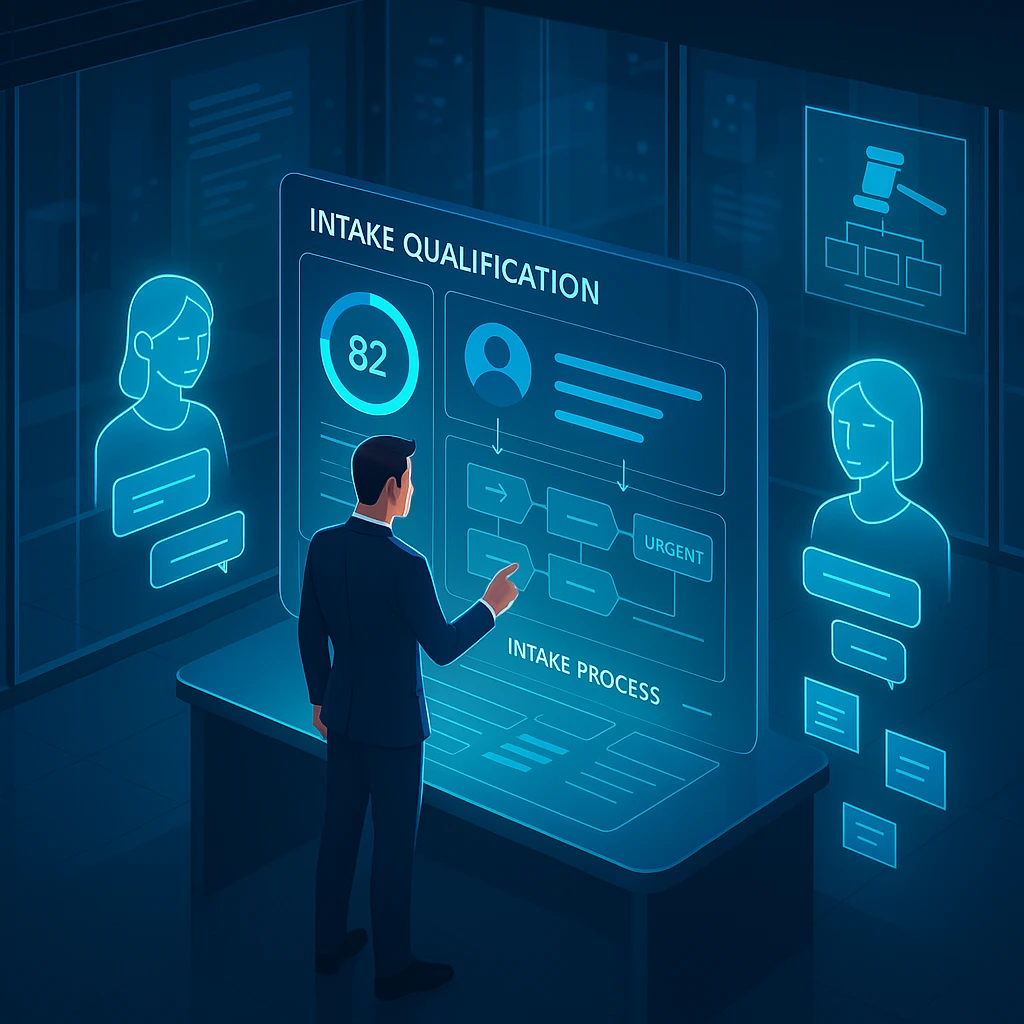
WHAT IS AI?

Artificial intelligence (AI) is a set of technologies that empowers computers to learn, reason, and perform a variety of advanced tasks in ways that used to require human intelligence, such as understanding language, analyzing data, and even providing helpful suggestions.

InfoSec is concerned with ensuring that information is kept safe and secure, and that it’s available, confidential, and has integrity. It involves:

AI is transforming how companies compete—but technology alone isn’t enough.

The real differentiator is talent. ETSP partners with organizations looking to implement, scale, or mature their AI capabilities by recruiting experienced AI, machine learning, and data leaders who know how to drive execution. We align advanced talent with your business strategy to ensure AI investments deliver meaningful growth and long-term value.

AI Talent & Leadership Search

How are you using AI—and is it creating measurable value for your business? Whether you’re implementing AI for the first time or expanding its impact across your organization, success depends on having the right leadership and technical expertise in place. Executive Talent Search Partners (ETSP) specializes in recruiting proven AI, data, and technology leaders who know how to operationalize innovation, manage risk, and drive results! This Is the Right Fit for ETSP!

Information Security

What is information security?

Information security, or InfoSec, is the protection of information and systems from unauthorized access, use, or destruction. It’s a broad field that covers both digital and physical information, and includes tools and processes for preventing, detecting, and responding to threats.
InfoSec is concerned with ensuring that information is kept safe and secure, and that it’s available, confidential, and has integrity. It involves:

Identifying threats

Identifying information, assets, and potential threats, vulnerabilities, and impacts

Evaluating risks

Deciding how to address risks, such as avoiding, mitigating, sharing, or accepting them

Implementing security controls

Selecting or designing security controls and implementing them

Monitoring activities

Monitoring activities and making adjustments as needed Cybersecurity is a subset of InfoSec that focuses on protecting digital information, such as computers, networks, and the cloud

Information security

Information security is an umbrella term that covers an organization’s efforts to protect information. It includes physical IT asset security, endpoint security, data encryption, network security and more.

IT security

IT security is also concerned with protecting physical and digital IT assets and data centers but does not include protection for the storage of paper files and other media. It focuses on the technology assets rather than the information itself.

Cybersecurity

Cybersecurity focuses on securing digital information systems. The goal is to help protect digital data and assets from cyberthreats. While an enormous undertaking, cybersecurity has a narrow scope, as it is not concerned with protecting paper or analog data.

Data security

Data security is the practice of protecting digital information from unauthorized access, corruption or theft throughout its

4 Types of security

The terms information security, IT security, cybersecurity and data security are often (and mistakenly) used interchangeably. While these fields overlap and inform one another, they differ primarily in scope.

Cost of a Bad Hire

What is the real cost of a bad hire? Why is it important to choose who you hire carefully, and how much money and revenue can you lose if you hire the wrong person?

The average cost of a bad hire is up to 30% of the employee’s first-year earnings according to the U.S. Department of Labor.

1. The True Cost of Hiring an Employee in 2024 Elena Prokopets: Last Updated: /February 1, 2024 In reality the cost of hiring an employee can be much higher for certain positions currently experiencing high talent shortages — like cybersecurity, engineering, Likewise, the average cost per hire for an executive position is $28,329! The Society for Human Resource Management (SHR

2. LINKEDIn: June 29, 2023
The average cost an organization spends on a bad hire is $15,000. This includes the time and expenses spent with onboarding, training, recruitment, performance, productivity, customer service, and possible increased risk of legal fees.

3.The United States Department of Labor puts the cost of a bad hire at up to 30% of the employee’s wages for the first year.

4. The average cost-per-hire according to SHRM is $4,129 and the amount of time it takes to fill a position is 42 days. This data is from the SHRM Human Capital Benchmarking Survey. The data also suggests the average annual turnover rate is 19%.

5. IBM research showed how organizations of varying sizes are affected differently by cyberattacks — data breaches. Companies with 500 to 1,000 employees saw an increase in average losses of 21.4%, while those with 1,001 to 5,000 employees also saw a rise of close to 20%. –

Latest 2025–2026 Quantitative Data on the Cost of a Bad Hire

The ripple effects of poor hires extend far beyond salary costs.

1. Many sources in 2025 report average costs of bad hires around $15,000–$17,000 when including recruiting, training, and onboarding expenses. This is repeatedly cited across multiple industry reports. Forbes+1

2. CareerBuilder & Department of Labor data (cited in 2025 commentary) show that a bad hire can cost up to 30% of the employee’s first-year salary, which for typical salaries can easily push losses to $25,000+ or more. Testlify+1

3. $25,000+ is common once indirect costs are included (e.g., lost productivity). Testlify. For senior/executive roles, losses can be 3–5× annual salary due to strategic disruption and replacement costs. Hunter Recruiting

4. For executive-level bad hires, costs can range from ~$240,000 to $850,000 per hire. Mitratech $17,000 average cost for a bad hire in non-executive roles (recruitment, onboarding, lost productivity). This includes direct hiring costs and short-term operational losses. Mitratech

5. One survey found that actively disengaged employees (often from poor fit hires) cost U.S. firms $450–$550 billion annually in lost productivity. Mitratech Internal productivity disruption — time managers spend supervising underperformers — has been reported at 17% of a CFO’s time allocated to remediation. Apollo Technical LLC

6. Interpreting What This Means for Small/Mid-Size Companies

Metric

Average financial cost per bad hire (non-exec)
Executive level bad hire cost
Cost as % of salary
Productivity & engagement loss
Recruitment + onboarding wasted when hire fails

Bad Hire Impact (Typical)

~$17,000+ Mitratech
~$240,000–$850,000 Mitratech
Up to ~30% of first-year earnings Mitratech
$450–$550B lost economy-wide Mitratech
~$6,000+ per role AInvest